The Shell Chapter

Some engagements leave a mark. Shell was one of those.
I joined Shell at a moment when Experience Design did not formally exist inside the organisation. What followed was five years of building, from the ground up, at scale, inside one of the most complex organisations on the planet.
The brief was simple enough on paper. The reality was something else entirely. Building a design function inside a global energy company means navigating competing priorities, deeply embedded ways of working, and the kind of institutional inertia that defeats most attempts at change before they begin.
We did not let it.
By the time I left, Shell had a world-class Experience Design capability. Hundreds of practitioners across Asia, Europe and North America. A design system built to enterprise standards with accessibility at its foundation. Teams that did not just deliver. They influenced strategy, shaped product direction and changed how the business thought about its people and its customers.
This page is not a case study. It is an account of what was built, how it was built, and the people who built it with me.
It's been said that Ben Jones the brilliant illustrator we had, based the character on the right on me…. Lets just say I'd be flattered if that was the case.
Purpose

Every environment has its own logic and its own unwritten rules. The first job is to read it accurately.


Making the invisible visible is half the work. The other half is making sure the right people are in the room when it happens.
Budgets follow belief, and belief follows evidence. Show what worked, what it cost and what would have been lost without it.

Strategy

Experience Design was treated as a product in its own right. It had users, a roadmap, a backlog, a release cycle and a feedback loop. Maintained, iterated and improved continuously rather than delivered once and left to drift.
Design was embedded into IT governance as a formal discipline. DesignOps was introduced as the operational backbone. Roles were defined clearly by discipline, tooling standardised and a fragmented application landscape consolidated into a single governed practice with Figma as the approved enterprise tool. OKRs gave design a language the business understood. Communication frameworks kept the function visible and credible across a complex global organisation.
Consolidating tooling and simplifying processes reduced operational expenditure, making the case for investment easier to sustain. A formal design policy, written and embedded into IT governance, gave the function institutional standing. Buy-in was not won through persuasion alone. It was won by proving that good design and good business were the same argument.
The right people, running the right processes using the right technology. In that order.
Five foundations. Methodology. Career Pathway. DesignOps. The Experience Academy. The Shell Design System. Each one written, built, and operationalised from scratch.
Full documentation is available on request.
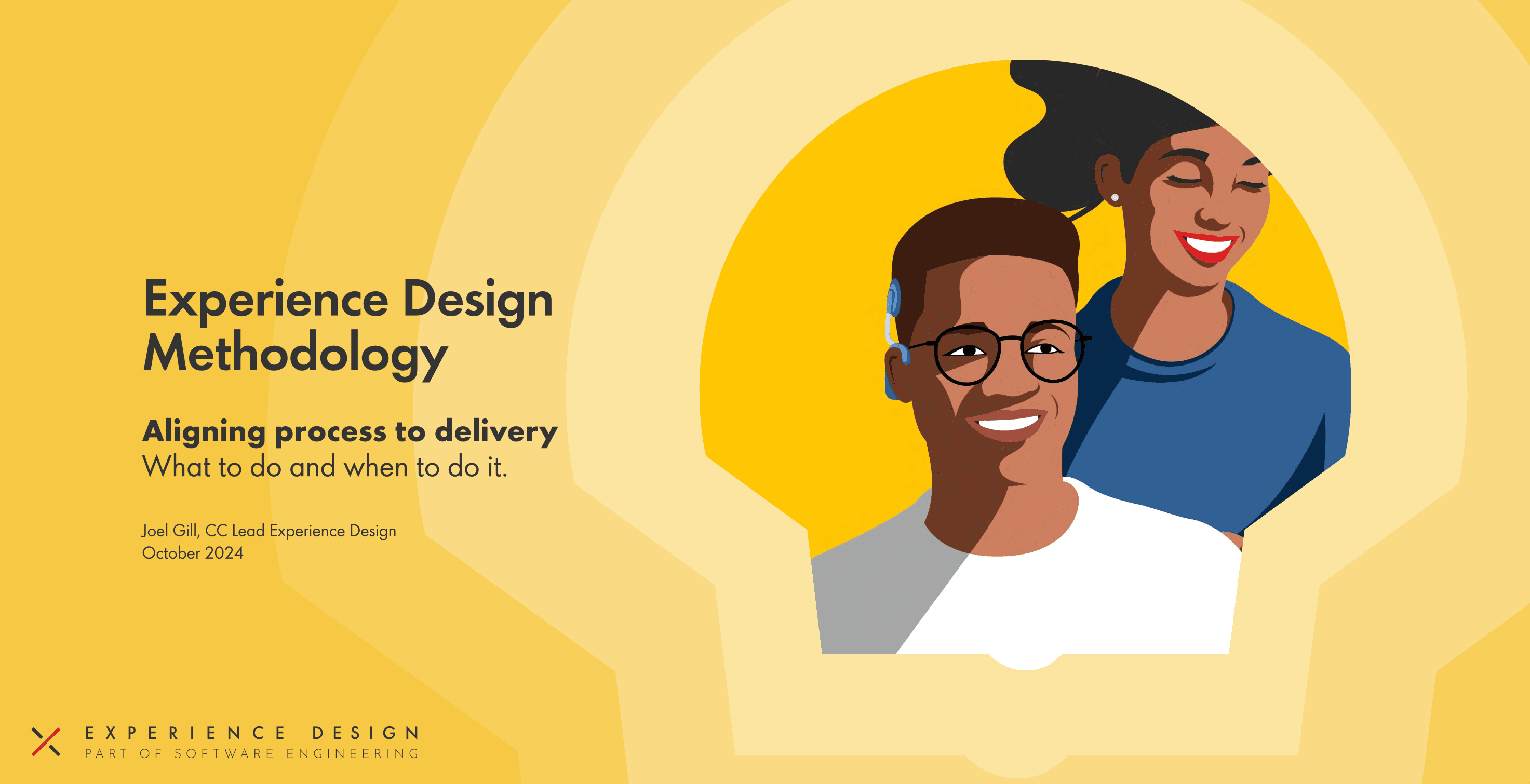
Methodology
What to do, when to do it and who does it. A shared language for how design engages with product delivery, from Discovery through to Support.
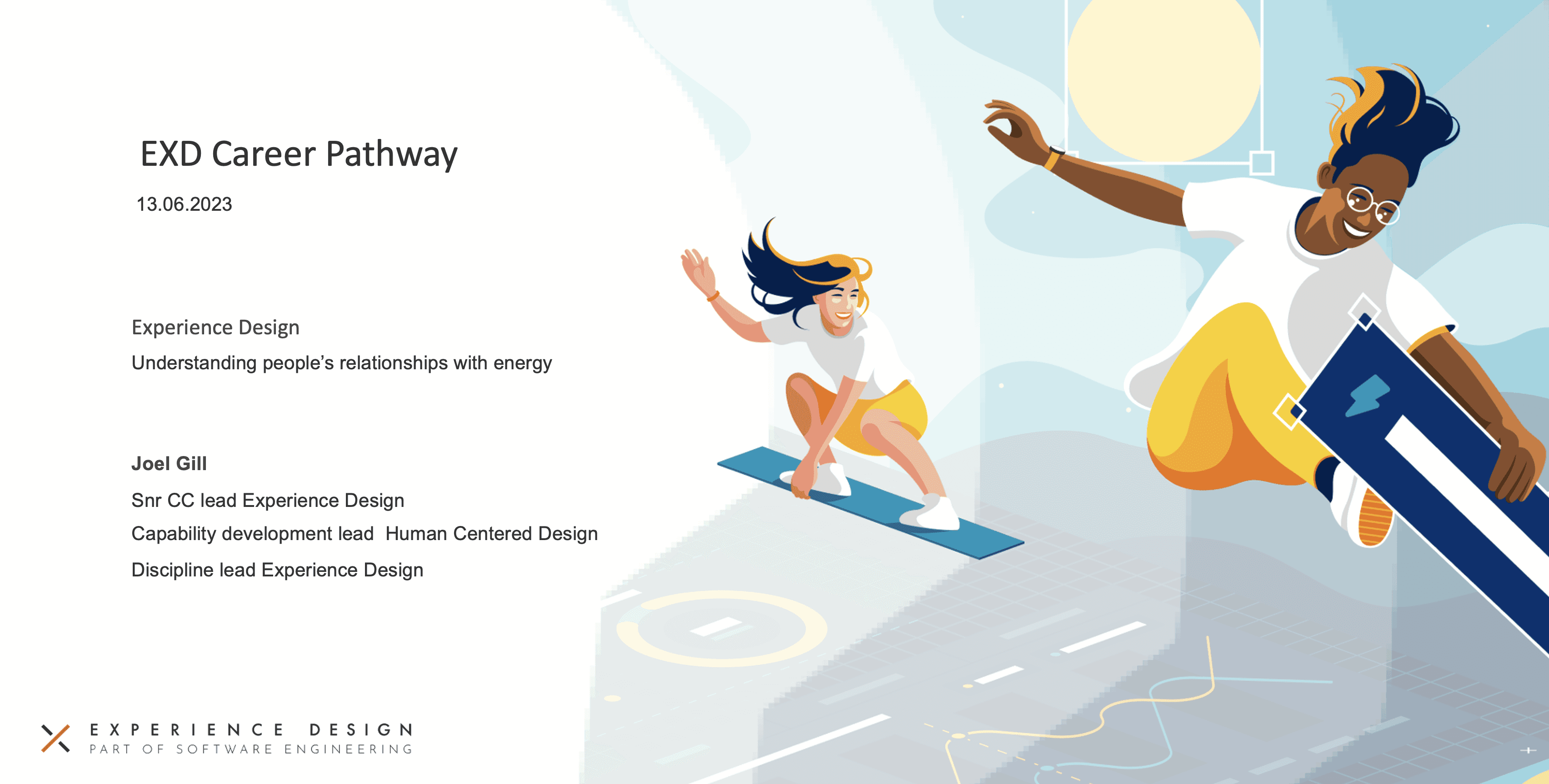
Career Pathway
From Associate to Distinguished Designer. A structured progression framework with defined skills, competencies and two tracks — management and technical leadership.
Design Ops
The operational backbone of the function. Governance, structure, standardised processes and a dual-track agile model that allowed design to scale across a global organisation.
The Experience Academy
The internal vehicle for evangelism and education. Turning practitioners into advocates and giving the wider business the language to engage with design.
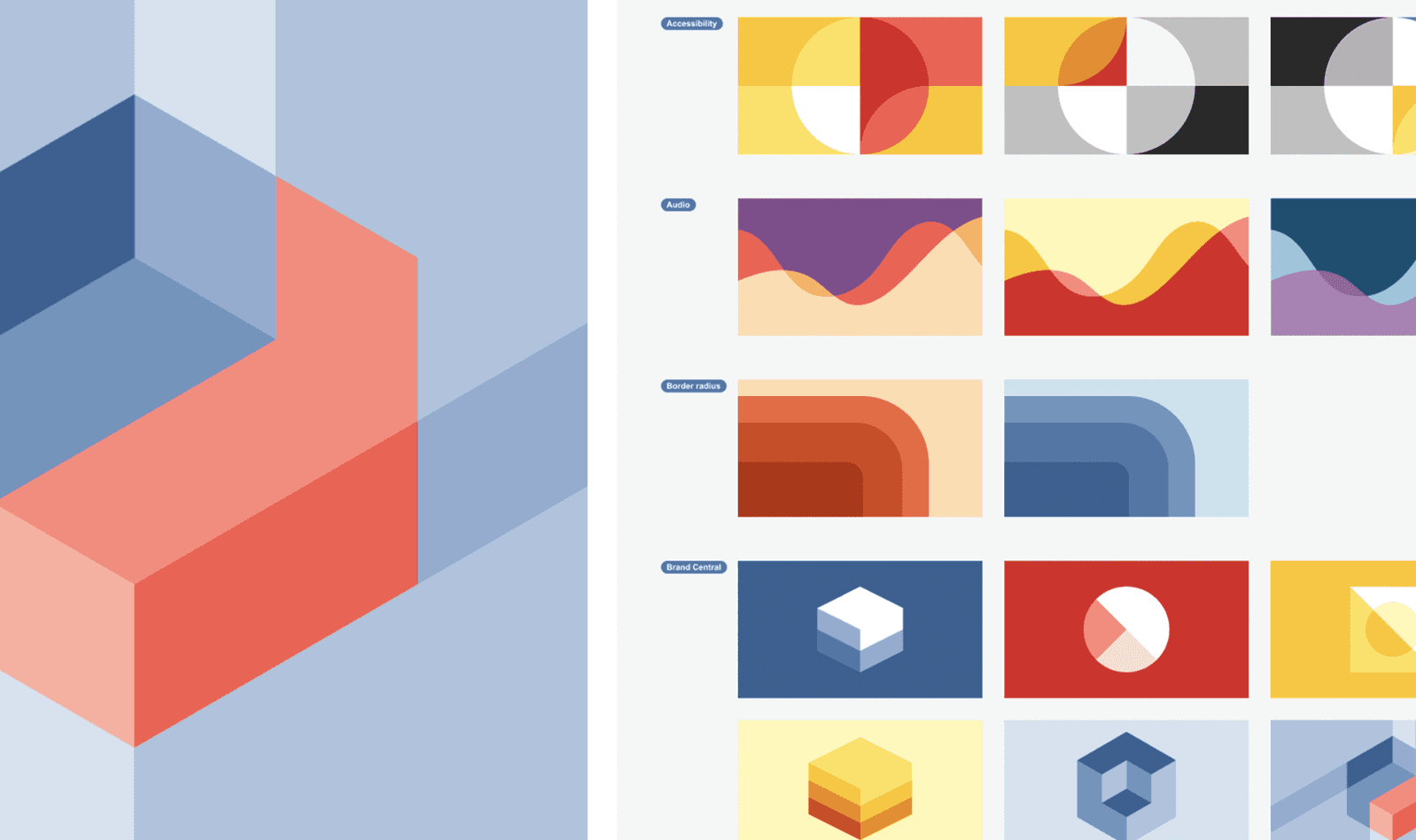
The Shell Design System
Before the Shell Design System SDS had a dedicated team, the work had already begun. Across the organisation, I had unearthed over forty disparate design systems which had accumulated. Each one a product of isolated decisions made without a shared standard. Understanding how that had happened was the first task. Rationalising it was the second. The goal was to bring that number down to two, or three at most. When it became possible to give SDS its own dedicated team, the system had something to build from. A small, focused group took ownership, nurturing it from a rationalisation exercise into a governed, enterprise-scale capability.
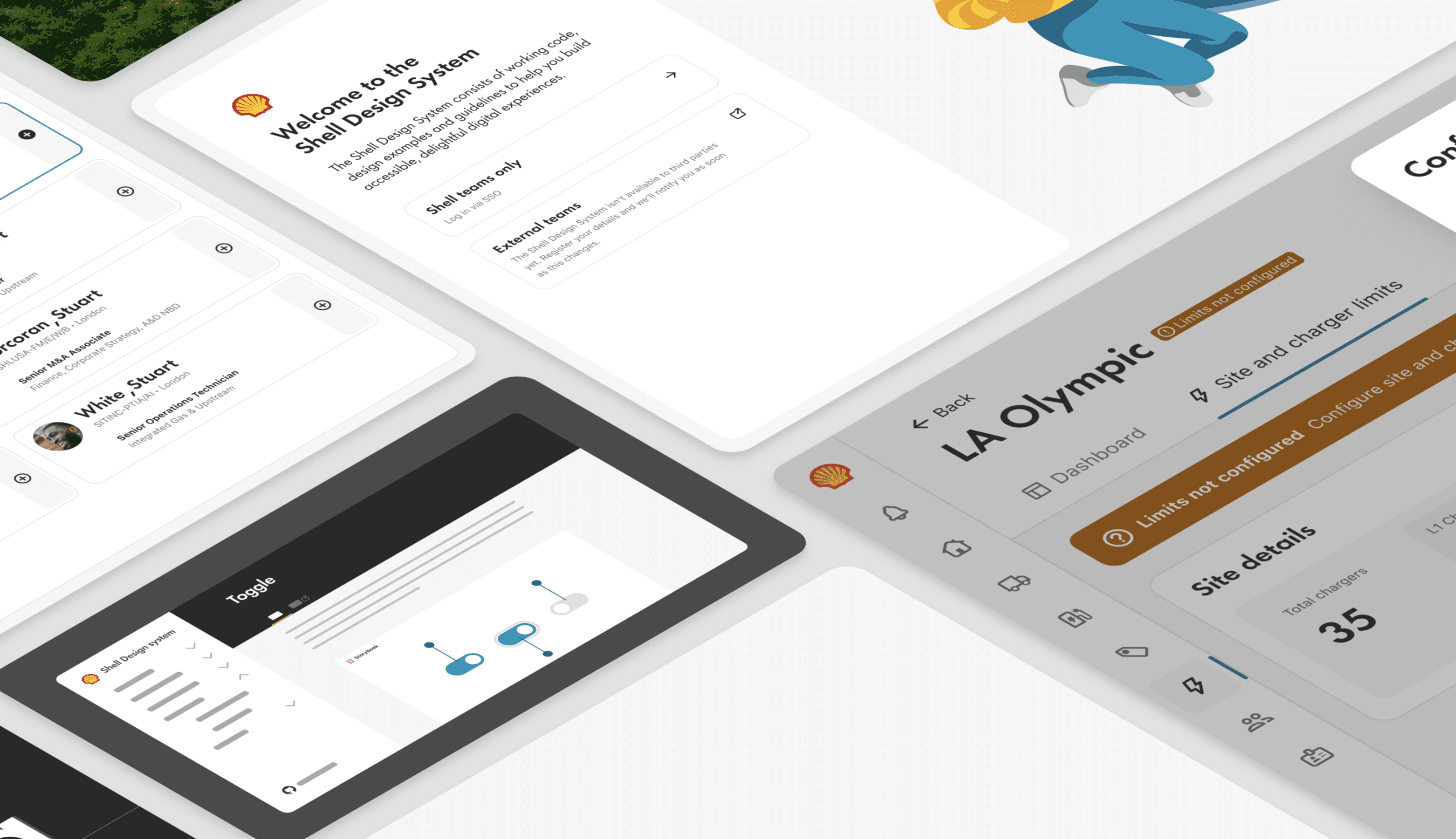
The Shell Design System gave the entire organisation a single, governed visual and interaction language built to enterprise standards with accessibility at its foundation. Over 40 components built in both Figma and React, rigorously tested for accessibility and structured to meet WCAG AA 2.2 standards out of the box. The estimated annual cost saving to the business exceeded $2.5 million.
What is a design system?
An introduction to what a design system is, why it exists, and what it gives an organisation.
What is a design system?
An introduction to what a design system is, why it exists, and what it gives an organisation.
How does SDS help?
How the Shell Design System supports teams to move faster, more consistently, and with greater confidence.
Where can I find SDS?
Where to access the Shell Design System, its components, documentation, and the team behind it.